
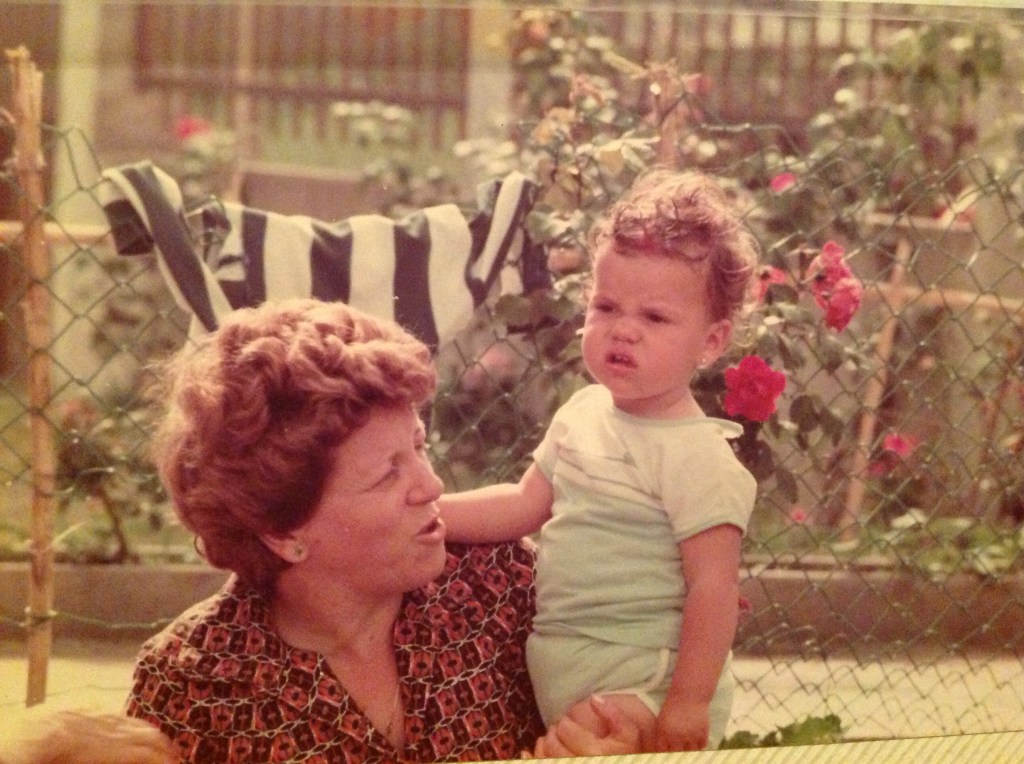
I don’t remember the moment I first fell in love with travel—not the kind that starts with a passport stamp, but the kind that begins with the promise of leaving, of seeing something different. What I do remember is my grandmother’s maniac packing routine: triple-checking lists, re-folding clothes that were already folded, and setting off for the airport hours before we needed to. She hated flying, but she believed—truly believed—that heading south was a way to reset life a little.
Those holidays to the south of Spain were her idea of renewal. We didn’t rent anywhere fancy; we stayed with my aunt, who lived there. My grandmother would still bring a few cartons of eggs from home because, as she insisted, “they taste better,” even if it’s the same country. I can still picture her standing in the kitchen, unpacking those eggs like they were treasure, convinced the small comforts of home could travel with us.
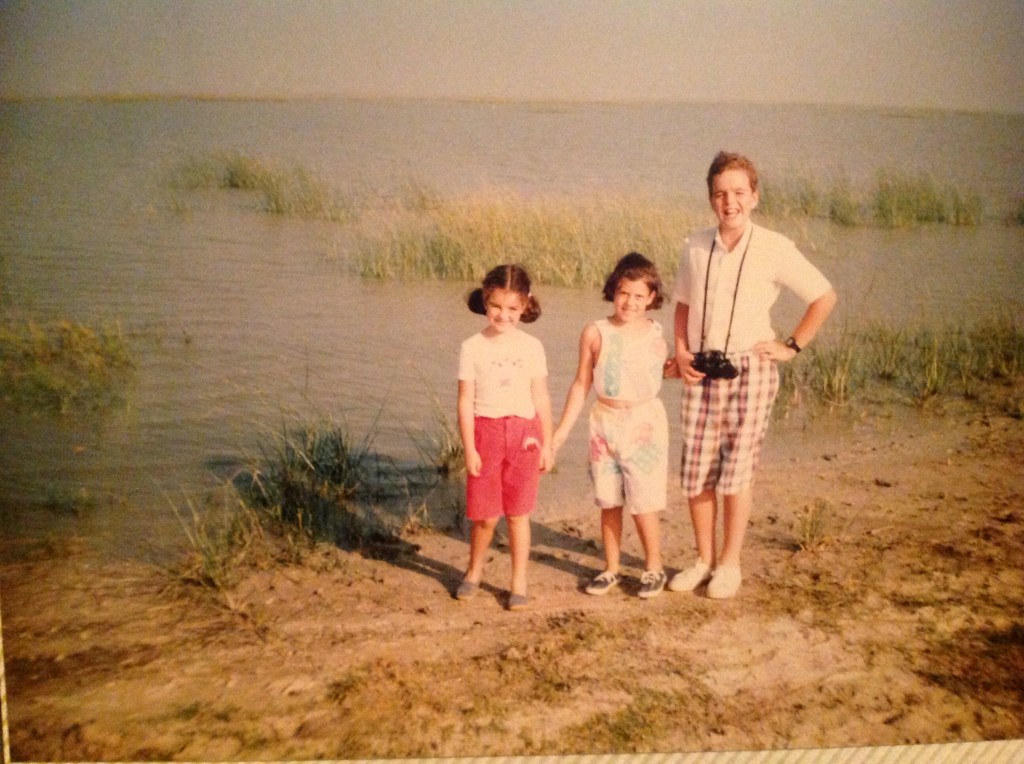
Back then, you could still smoke on planes. I remember the thick, stale smell of cigarettes in the cabin, the drawn curtains over the plane windows, the hum of the engines underneath the chatter. My grandmother would grip my hand during takeoff, pretending to be calm, and I’d pretend not to notice.
Looking back, I see those trips for what they really were: acts of love. They weren’t just for me—they were for her too. We’d both lost so much, and travel was her way of keeping us moving, keeping us from becoming too still. She never said it that way, of course, but I know now that leaving—even just for a few weeks—made life feel possible again.
I didn’t feel a deep sense of belonging on those trips. I loved being out and about, walking through markets, staring at shop windows, feeling the heat of the day on my skin. But back at my aunt’s house, everything felt the same again—the air thick, the grown-ups’ conversations repetitive, life returning to its familiar rhythm. The comfort was in the motion itself, in the sights and sounds outside. Travel soothed me not because it gave me a new home, but because it gave me the illusion of freedom.
My grandfather, on the other hand, travelled to escape—to fix what couldn’t be fixed by running away. He’d left my grandmother for his personal assistant when I was six. After my father died when I was ten, guilt started to pull him back towards me. That’s when he began trying to make amends, showing up with grand gestures instead of apologies.
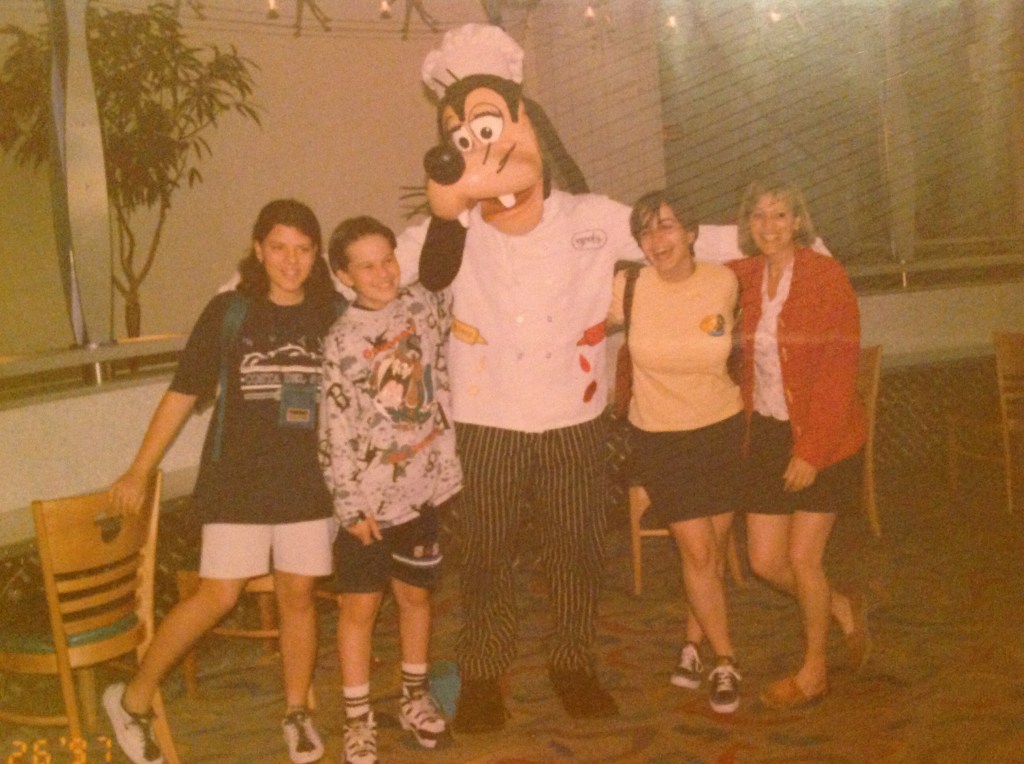
He was a self-made businessman, successful and restless. After a trip to Disneyland on business, he promised he’d take me when I was older— “When you’re fifteen,” he said, “we’ll go together.” And he did. The trip was as strange as it was magical: his new wife came along, and so did his business associate and his children. But still, I loved it. For a moment, it felt like one of those promises adults actually keep.
He also sent me to study English abroad—first Ireland when I was ten, then again, and later three summers in Canada. Those were the times I felt most free. Even though I stayed with host families, I could breathe differently. For a month each summer, I was someone new—not the girl who’d lost her parents, not the girl being raised by four well-meaning women, but just a version of myself unshaped by history.
And maybe that’s where travel first hooked me—not in the sightseeing or the novelty, but in the way it let me step outside the story everyone else had written for me.
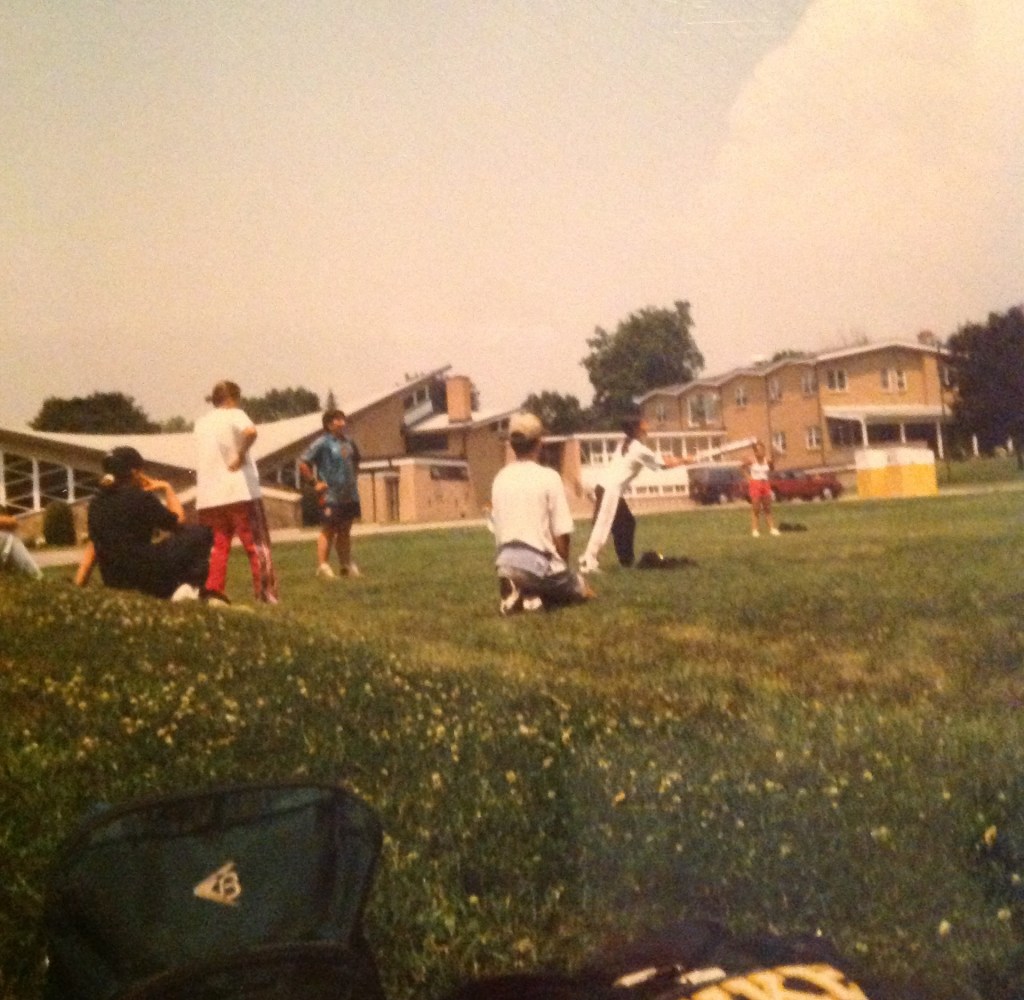
When I got older, that impulse to move became a pattern. After finishing university, I left for London—and never really came back. I loved my grandmother and my aunts deeply, but being surrounded by four women all trying to steer my life felt suffocating. London was freedom. The same kind of freedom travel had given me in glimpses for years—only now, it could last.
London became my longest journey and, in many ways, my truest destination. It gave me a home, a career, a life built on my own choices. It gave me my husband—the person who travels beside me now, patient with my need to keep moving, to keep discovering.
Looking back, I can see the thread that ties all of it together—my grandmother’s trembling hand on a plane armrest, my grandfather’s guilt-fuelled generosity, my own restless steps. Travel began as a way to cope, to search for comfort in motion. But it also became a way to build meaning—to prove that we can carry our stories forward, even when they start in loss.
Maybe that’s what I’ve always been chasing: not escape, but the small, quiet feeling of being alive somewhere new.

✨ If this story resonated, subscribe to read the next chapter—about leaving home for London, finding a new kind of freedom, and what it means to belong somewhere by choice.


 Wanderlust Reconsidered
Leave a comment