
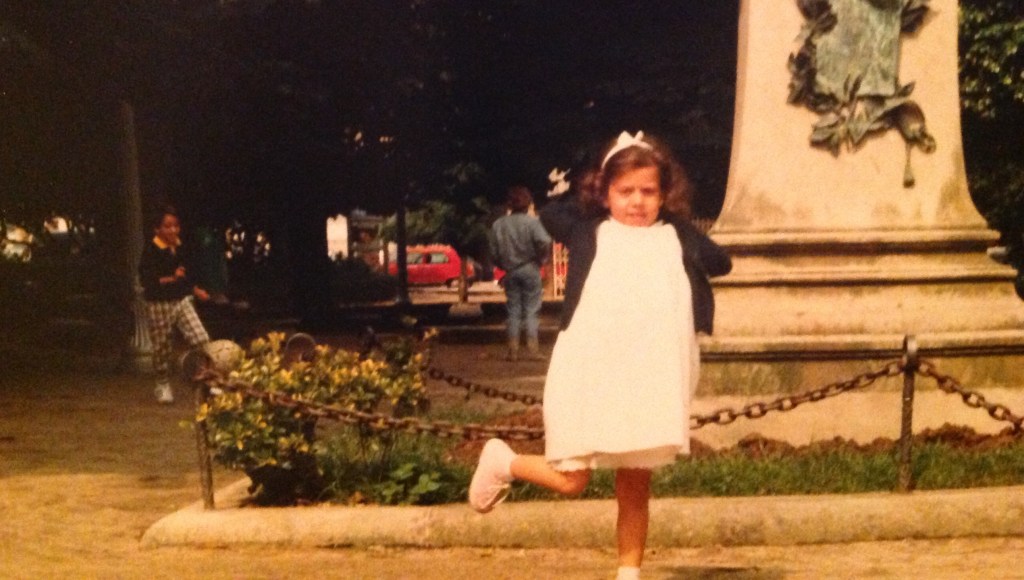
When I was younger, I believed travel was the best thing you could do—the cure for everything. TV and movies told us that. Heartbreak? Go somewhere new. Feeling stuck? Book a ticket. Unsure who you are? Find yourself abroad.
It was the unspoken promise of every glossy magazine and well-meaning friend: that movement meant meaning—that if I kept going far enough, I’d finally arrive at myself.
And for a while, it worked. Or at least, it looked like it did. I filled passports, took photos, and told stories that sounded larger than life. From the outside, I was living the dream. Inside, I was just moving my restlessness from one time zone to another. Each new city gave me a rush—until it didn’t.
Somewhere along the way, I realized something I wasn’t supposed to say out loud: travel doesn’t fix you. It can reveal, soften, and expand you—but it can’t complete you. It’s not an alternative to therapy, and it’s not the cure for old wounds.
Later, I learned an even quieter truth: travel isn’t for everyone. Not because some people lack curiosity or courage, but because not everyone needs to leave to live fully. Some find wonder in routine, adventure in raising a family, or peace in tending the same garden for forty years.
I used to think those people were missing out. Now, I think they might have understood something I didn’t.
The Chase—When I Believed Travel Was the Answer
I was lucky enough to be born into an upper-middle-class family in Spain in the ’90s. We traveled around the country often and spent summers on the Costa del Sol. My school organized trips to explore Spain’s many wonders, and in my early teens, I was sent abroad—to Ireland and Canada—to learn English.
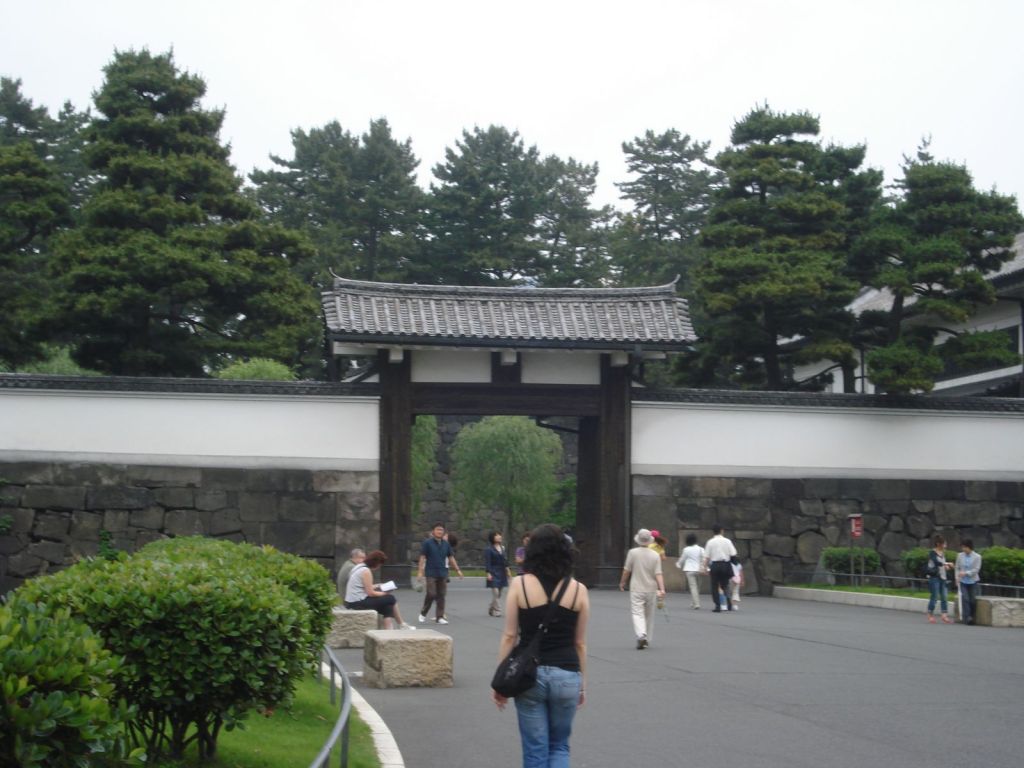
Early twenties, chasing everywhere but myself.
I started chasing faraway places early. While most teens had subscriptions to magazines like Teen or Seventeen, I was subscribed to National Geographic Traveler. I chased the idea of travel the way some people chase love—desperately, convinced that if I could just reach the next city, the next country, I’d finally feel whole.
I still remember packing my first bag as a young adult—the smell of coffee at the airport café, the hum of an unfamiliar city waking beneath my feet. Every new street felt like a promise: that I could outrun boredom, escape expectations, and maybe, just maybe, meet the person I was meant to be.
I kept a mental and physical scorecard of the cities I’d visited, the adventures I’d survived, the stamps on my passport. I chased sunsets in the Dubai dunes, wandered night markets in Bangkok, and searched for quiet corners in Paris that I swore no one else had found. And for a while, it worked—the restlessness dulled, the sense of possibility sparkled, and I almost believed the world itself held the answers I was looking for.
But the farther I went, the more I realized something strange. No matter how beautiful the landscape, how rich the culture, or how intoxicating the freedom, the same questions followed me from one airport to the next: What do I want? Am I enough?
Travel had opened my eyes, but it hadn’t filled the quiet emptiness inside. I was still me—just in a different time zone.
And yet, I couldn’t stop. There was a compulsion in it, a hope that the next trip, the next ticket, the next horizon might finally deliver what I’d been chasing all along.
Looking back now, in my 40s, I see it clearly: that phase wasn’t wasted. It was a necessary search—a way to test limits and taste freedom. But it was also proof that movement alone isn’t the answer
The Cracks—When the Illusion Started to Fade
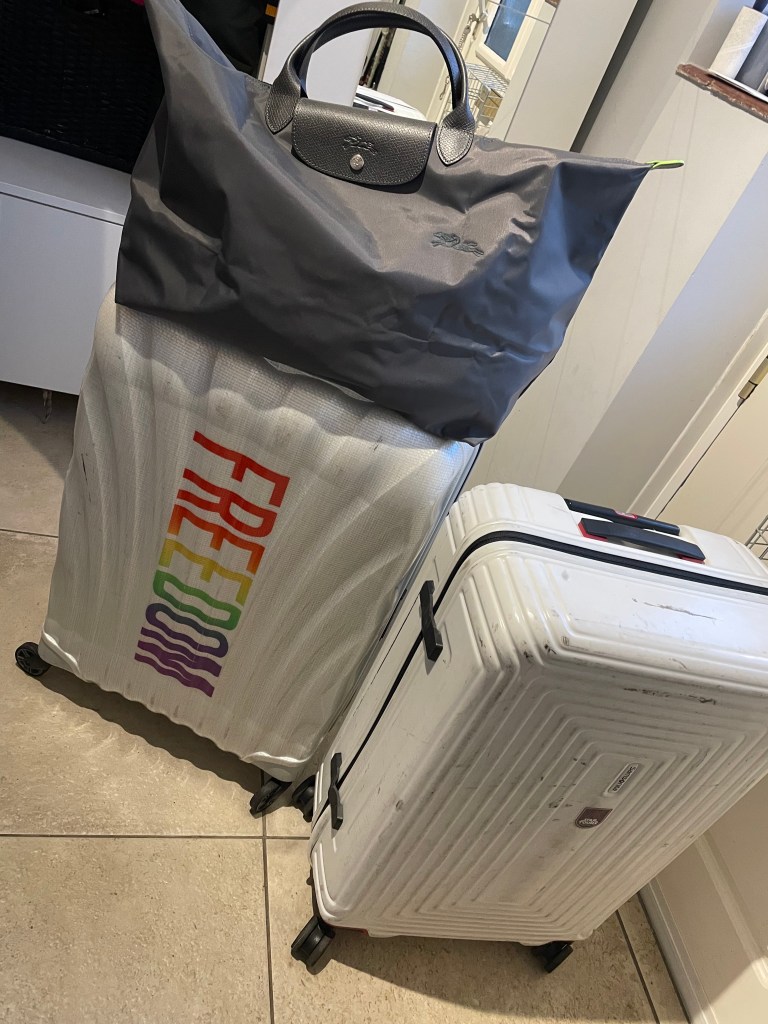
It didn’t happen all at once. Travel slowly revealed its shadows, like sunlight filtering through clouds. There were moments of pure beauty—the kind that fills you with awe. But there were also airport nights that made me feel invisible and hotel rooms where loneliness echoed louder than the city outside.
I started noticing the similarities behind the thrill. The streets were new, the languages different, but the restlessness was still mine. I’d walk through unfamiliar cities thinking, Why am I still sad? No matter how far I went—how luxurious the trip—I carried myself along, baggage and all.
Sometimes I felt quietly ashamed, like I wasn’t “doing it right.” Maybe it was because I didn’t fly business class or didn’t stay at the hotels the travel guides recommended. So I upgraded—the flights, the rooms, the restaurants—and still, something was missing.
Another realization crept in: the privilege behind it all. Travel isn’t cheap. Flights, hotels, visas—they’re invisible barriers that turn travel into a luxury, not a right. I started to notice that friends and family who stayed home weren’t less worldly or less brave; they simply lived within their realities. And many of them were thriving—raising families, building communities, living full lives without crossing continents.
It was humbling. And it was freeing. I began to understand that travel wasn’t a requirement for growth or meaning. It can teach, expand, and delight—but it’s not a universal prescription. Some people, and some seasons of life, are meant to stay put. And that’s okay.
The Wider Lens—When You Realize Travel Isn’t for Everyone
It took me years to admit it: travel isn’t a universal necessity. Not everyone wants it, not everyone can do it, and no one should feel guilty for skipping it.
Some people thrive in their hometowns—cultivating deep relationships, mastering their craft, or finding joy in daily routines. Others might crave travel but face barriers—money, health, family responsibilities, or politics.
For a long time, I assumed those who stayed put were missing out—that they were less adventurous, less alive. Now I see how wrong that was. Adventure isn’t measured in flight miles or countries visited; it’s measured in attention, courage, and curiosity.

A person tending a garden or exploring their own neighborhood can live a life just as rich and transformative as someone circling the globe.
Now, in my 40s, I understand that travel is a privilege as much as a joy. Recognising that doesn’t cheapen it—it deepens it. It teaches humility, compassion, and gratitude. It reminds me that fulfillment isn’t about checking boxes or living up to wanderlust culture. It’s about knowing yourself, making conscious choices, and honoring the life you have—whether it’s packed into a suitcase or rooted in one place.
It’s a relief, honestly, to stop measuring myself by someone else’s map. Some journeys are literal; others are internal. Both are valid. Both teach lessons that last a lifetime.
The Shift—Redefining Travel
These days, my relationship with travel looks different. I still have that familiar itch to go somewhere—but I’ve learned to tame it. I no longer chase destinations as a cure for restlessness. I travel when it feels meaningful, not to prove something.
Sometimes that means a weekend road trip; sometimes, a journey abroad. But now the focus isn’t on quantity, speed, or “discovering myself.”

I notice the quieter moments: wandering a neighborhood without a map, watching life unfold in a plaza, or having an unexpected conversation with a stranger. I move slower, stay longer, and let places reveal themselves instead of trying to capture them.
And I’ve realized something else: staying still can be just as revelatory. Reflection, connection, and growth don’t require airports. Sometimes the most important journeys unfold in a familiar kitchen or a quiet corner of home.
Travel taught me to see those spaces too—to recognize that life can expand without borders.
I’ve finally accepted the truth I resisted for so long: travel isn’t for everyone. And that’s okay. It doesn’t make anyone less curious or alive. There are countless ways to explore the world—and the most meaningful one is learning to inhabit your own life fully, wherever you are.
Meaning Over Movement
When I was younger, I thought travel was about motion—crossing borders, chasing moments, collecting stories. Now, I see it’s about awareness.
You don’t need to be halfway across the world to wake up to your own life. Sometimes it’s enough to walk slowly through your own streets and notice what’s been there all along.
Travel gave me many gifts—humility, perspective, gratitude—but its greatest lesson was this: meaning isn’t measured in miles. You can find wonder in movement, but also in stillness. You can heal on the road or at home. You can grow while wandering or by staying rooted. Both paths are valid; both are rich in their own way.
Maybe travel isn’t the answer. Maybe it isn’t for everyone. But it can still be a mirror—one that reflects who we are, what we value, and what we’ve been too busy to notice.
And when we finally stop running, we see that the world we were chasing was never really out there—it was always waiting quietly inside us.
💌 If this story resonates, subscribe to read the next chapter


 Wanderlust Reconsidered
Leave a reply to Laura Gonzalez Cancel reply